

What is Chemical Anchoring
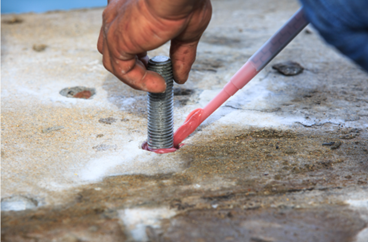
Chemical anchoring is a popular solution for securing heavy loads within NZ construction industry. Konnect offers a wide range of chemical anchoring suitable for different applications. By working closely with our suppliers, Konnect can offer engineering support and specification changes.
Chemical anchoring utilising a chemical reaction between the adhesive and the substrate to create a bond. This is different to mechanical anchoring which depends on physical means. Another benefit of chemical anchoring is that it can be used in both cracked and uncracked concrete.
What’s the difference between anchors?
Different chemicals are required for different performances. The chemical composition will impact on strength, curing and surface compatibility. There are three main chemical anchoring types available which are:
Polyester
Polyester anchors are typically the most economical option. However, they offer lower strength and durability than the other two types. They’re best suited for light duty applications, such as attaching electrical conduits, handrails, and other non-structural elements.
Hybrid / Vinyl Ester
Made from polyester resin and vinyl ester resin, it offers excellent corrosion resistance, making it ideal for use in highly corrosive environments, such as marine or chemical facilities. Vinyl Ester anchors provide high resistance to heat and chemical attacks as well.
Pure Epoxy
The most common type of chemical anchor, epoxy, comprises an epoxy resin and a hardening agent that mix and create a high-strength adhesive. It’s ideal for structural applications, offering exceptional performance under heavy loads and harsh environmental conditions.
Installation:
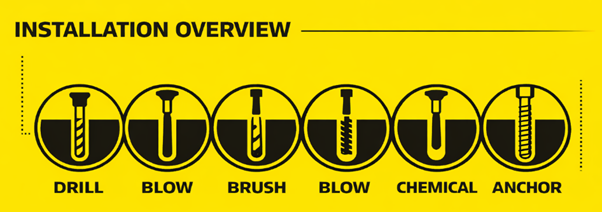
It is important to prep as per manufactures specifications. Generally, the steps are:
1. Drill an oversized hole
2. Clean the hole- Blow pump and Brush
3. Dose the resin into the hole
4. Install rod
5. Apply load once resin has completely hardened
Certification and Standards:
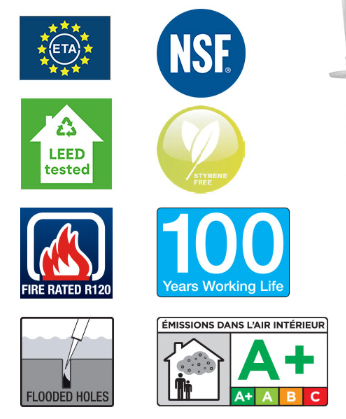
Different certifications and standards are required depending on specifications. Common requirements asked for can be:
· European Technical Assessment (ETA) C1 / C2 are seismic performance categories for anchoring fasteners in concrete. C1 is for low level seismic hazards while C2 is for more stringent standards for higher risk applications.
· Fire Rated R120
· 100 Year Working Life
· VOC Compliant
Resin Calculator:
Leading chemical brands often offer a resin calculator on their websites. This is minimising wastage by buying what is needed and takes away the guesswork.

Contact Konnect:
At Konnect Fastening Systems, we offer various chemical anchors suitable for any application. You must always follow manufacturers design guides and installation instructions to ensure fastening strength requirements are achieved. Let us help you select the best option based on your specific requirements. Get in touch with us today.
